Full Breakdown of Immigration Law Firm Solutions and Knowledge
Immigration law practices serve a vital function in navigating clients through the intricate landscape of immigration processes. Their offerings span from visa applications to citizenship assistance, covering a diverse set of needs. Clients gain from customized direction and legal representation, ensuring they are informed about their rights and responsibilities. As the complications within immigration remain dynamic, understanding these services becomes vital for those seeking to create their home in a new country. What specific aspects warrant closer examination?
Comprehending Visa and Requirements
In what ways can people effectively handle the complicated aspects of copyright processes? Recognizing the complexities of visa conditions is fundamental to securing approval. People typically confront a complex web of paperwork, eligibility requirements, and submission dates. Researching the specific visa type sought—be it work, study, or tourist—can clarify necessary paperwork and qualifications. Engaging an immigration legal professional delivers personalized counsel, circumventing frequent errors. Remaining updated on modifications to immigration regulations that could impact the application procedure is essential. Sustaining well-arranged records and observing time frames can further increase approval probability. In the end, taking initiative and gaining comprehensive knowledge of visa requirements enables people examine guide to manage difficulties successfully, guaranteeing a more seamless application journey.
Family-Oriented Immigration Assistance
Immigration services for families serve a crucial function in bringing together relatives across borders. Such services help individuals in working through the complicated legal framework required for petitioning for family members to immigrate to the United States. Immigration attorneys deliver guidance on different visa categories, such as immediate relatives and family preference visas, ensuring compliance with the detailed requirements set by immigration authorities. They also assist with gathering required documentation, preparing applications, and representing clients during interviews. Additionally, these firms deliver support in understanding the implications of different immigration statuses and pathways to citizenship. By utilizing their expertise, immigration attorneys seek to streamline the process, reduce delays, and enhance the likelihood of successful reunification for families divided by immigration challenges.
Work Visas and Employment-Based Immigration
Employment-based immigration encompasses multiple kinds of work visas that facilitate foreign nationals' entry into the workforce. Grasping the employer sponsorship process is essential for both businesses and prospective employees, as it details the essential steps for acquiring these visas. This section will explore the different copyright categories and the requirements for employer sponsorship.
Different Types of Work Visas
Work visas operate as vital routes for international workers searching for work prospects in the United States. Various types of work visas, every one designed to meet distinct job scenarios and qualifications. The H-1B visa is frequently utilized for qualified professionals in particular occupations, while the L-1 visa facilitates workers relocating within the same company. The O-1 visa serves professionals with remarkable skills in their disciplines, such as artistic or scientific fields. Temporary farm workers may employ the H-2A visa, whereas the H-2B visa is available for non-farm work. Furthermore, the E-2 visa accommodates investors from treaty countries. Every single visa category has specific qualifying standards, application procedures, and conditions, making it essential for applicants to grasp their choices thoroughly.
Employer Sponsorship Procedure
Navigating the employer sponsorship process is essential for foreign nationals seeking work visas in the United States. This process typically involves several steps, starting with the employer's determination of the need for a foreign worker. Employers must submit a Labor Condition Application (LCA) to demonstrate that hiring a foreign worker will not harm U.S. workers. After LCA approval, the employer submits Form I-129, Petition for a Nonimmigrant Worker, to U.S. Citizenship and Immigration Services (USCIS). If approved, foreign nationals can apply for their copyright at a U.S. consulate or embassy. Legal guidance from immigration law firms can help navigate complexities, ensuring compliance with regulations and improving the likelihood of a successful sponsorship outcome.
Naturalization and Citizenship Assistance
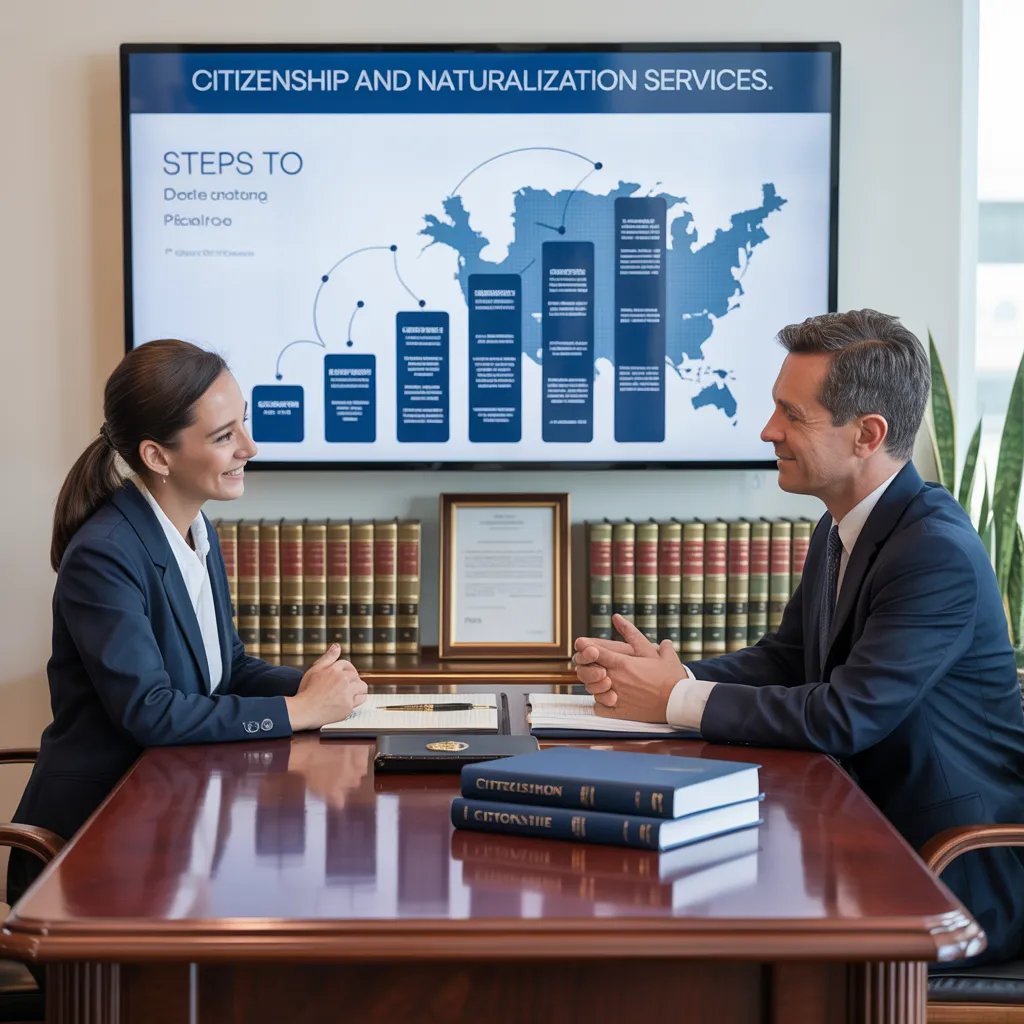
Maneuvering the complexities of citizenship and naturalization can often feel intimidating for many individuals seeking to formalize their status in a new country. Immigration law firms offer specialized services to guide clients through this intricate process. They assist in preparing and submitting applications, ensuring all necessary documentation is precise and complete. These firms also provide valuable information into residency requirements, language proficiency, and civics tests, which are essential for successful applications. In addition, they help clients understand the implications of citizenship, including rights and responsibilities. By utilizing their expertise, individuals can navigate the citizenship journey with greater confidence and clarity, ultimately facilitating a smoother progression into full participation in their new society.
Court Proceedings and Legal Advocacy
When dealing with immigration-related court proceedings, individuals commonly find themselves in need of professional legal representation to efficiently navigate the complexities of the legal system. Immigration law firms provide essential services, including consulting clients on their rights and options, preparing legal documents, and representing them in court. Attorneys who specialize in immigration law understand the intricacies of the system, allowing them to construct compelling cases and negotiate on behalf of their clients. They are proficient in addressing potential legal challenges, such as deportation proceedings or asylum requests. Furthermore, skilled representation can greatly influence case outcomes, as experienced lawyers are familiar with local court procedures and judges. Consequently, securing competent legal counsel is essential for achieving favorable results in immigration-related matters.
Other Services Offered by Immigration Law Firms
Although legal representation is a critical aspect of immigration law firms, they also provide a variety of additional services that cater to the diverse needs of their clients. These services often include consultative sessions to evaluate individual situations and provide personalized advice. Many firms help with the preparation and submission of immigration applications, ensuring that all documentation meets legal requirements. Additionally, they may provide services such as citizenship test preparation, legal workshops, and resources for understanding immigration policies. Some firms engage in community outreach, delivering educational seminars on immigration rights and processes. Moreover, they may collaborate with non-profit organizations to support vulnerable populations and promote policy reforms, strengthening their role within the broader immigration landscape.
Common Questions
How Much Will Immigration Law Firm Services Cost on Average?
Immigration attorney services typically range from $150 to $500 per hour, based on the sophistication of the case and the attorney's expertise. Set fees for individual services can range from $1,000 to $5,000 or more.
What Qualifications Are Important When Selecting an Immigration Attorney?
While seeking an immigration attorney, one should consider their qualifications, including academic credentials, immigration law experience, client reviews, rate of success, and any particular certifications that establish expertise in handling specific immigration cases.
How Much Time Does the Immigration Procedure Typically Require?
The immigration process normally requires several months to years, based on numerous variables such as things like the category of application, the applicant's nation of origin, and the unique situations associated with the case. Timeframes may vary considerably.
Do Immigration Law Firms Provide Assistance for Asylum Applications?
Yes, immigration law firms can help with asylum applications. They supply guidance on eligibility, documentation, and representation during hearings, significantly increasing the likelihood of a successful outcome for individuals seeking refuge from persecution.
Are There Resources for Self-Represented Individuals in Immigration Cases?
Yes, numerous resources exist for self-represented individuals in immigration cases, including federal agency websites, legal support organizations, and local community organizations that provide support, forms, and information to help manage the complicated immigration process effectively.